Personalized metal monogram signs add an elegant touch to any home. They also make excellent wedding gifts. They can be designed with all kinds of themes, including professional symbols, cursive words and elegant monograms.
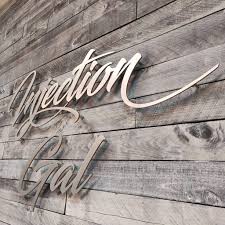
Modern metal business signs are the perfect visual to help your company stand out as cutting-edge and create a premium feel. They’re also great for reception areas and lobbies.
Unlike plastic signs, custom metal signs can withstand outdoor conditions for a longer period of time. They also are a great option for those businesses that want to have a strong presence in the area. They can make a great impression and promote the brand’s image in the eyes of customers.
Metal signs are also highly durable and able to resist rust. They can be customized to match the business’s logo and colors. Moreover, they can be printed with different messages and images to suit the company’s needs. They can be used in a wide variety of settings, from law firms and corporate offices to appliance stores and upscale restaurants.
A typical metal sign is made up of two aluminum sheets with a core in between to give it added strength and durability. They can be used both indoors and outdoors and are ideal for high-traffic areas. The signs can be printed with your own design and colors and have a clear protective laminate coating to prevent fading over time.
Custom metal signs are a great way to showcase your brand’s unique identity. These signs are durable and can stand up to harsh weather conditions. They also offer a modern look and can be customized with a variety of colors and textures. They can also be lighted to attract more customers.
A quality metal sign from Mello Signs can be customized with your company’s name, logo and address. You can also add a photo or video to enhance its appeal. The sign can be mounted on a wall, or you can hang it from the ceiling. It can be used to inform customers about your company’s policies, services, and hours of operation.
Aluminum is an ideal choice for a business sign because it can withstand outdoor weather conditions. Its baked-on enamel finish provides protection and offers a clean, professional appearance. You can choose from three gauges: standard.040″ or medium-duty.063″ aluminum. You can even opt for a more rugged sign made of ARMOUR-Wood, which has a strong, steel core inside a layer of aluminum.
Custom metal signs are highly versatile and can be used in a variety of ways. Businesses can use them for directional purposes, while homeowners can use them to enhance curb appeal or commemorate special occasions. They are also available in a wide range of sizes and colors, making them easy to customize.
Aluminum is a great material for commercial signage because it’s strong and durable. This type of sign can withstand heavy traffic and weather, and it’s also a great choice for areas with heavy equipment. You can even choose a thicker aluminum gauge, such as a standard.040″ gauge, medium duty.063″ gauge, or extra heavy duty.080″ gauge, to increase durability.
Incorporating steel signs into your business can help you cost-effectively find solutions to your marketing concerns and leave a lasting impression on your potential customers. Printmoz offers quality metal signs to suit your needs, and their customer service team can help you with any questions or concerns.
While metal signs are expensive, they can also be affordable if you order them in bulk. They are available in a variety of sizes, and you can upload your design to see how much the sign will cost. eSigns offers quantity discounts on these products, which can reduce the price by up to 30%.
These signs can be printed to suit a wide range of needs, including directional and safety instructions. They can also be illuminated to make them more visible at night. Illuminated signage is especially important for businesses that want to attract customers.
Using metal business signs can be an excellent way to display your brand logo and other essential information in your store. They look great and offer a sophisticated feel that can inspire confidence in consumers. The signs are also durable and will last for a long time, so they are an investment that you will not regret. They can even be a theft-resistant option, which is an added benefit for some businesses.
 Partial Car Wraps are a great way to make your vehicle stand out without the high price of a full wrap. They also offer less maintenance since they do not cover the entire vehicle.
 The key is to start out slow and work your way up. If you spray your windows with too much pressure, it could easily break the glass or leave etching on the window. In addition, it’s important to make sure the nozzle is pointed away from your window at an oblique angle instead of directly at it.

 As real estate prices rise and mortgage rates jump, more Americans are choosing to renovate and repair their existing homes. These homeowners are also focusing on more personalized renovations. Whether they want to make their bathrooms more accessible, add multifunctional rooms or improve their living spaces, these remodeling trends are here to help them achieve their goal.
 Hiring an English tutor is a great way to boost your child’s academic performance. They’ll provide one-on-one attention and personalized lessons that will help them understand the concepts more quickly.